Essential Services in Uganda
Karibu Uganda Safaris is committed to showcasing not only the natural beauty and tourism potential of Uganda but also the essential services that underpin its development and progress. This page provides an overview of the key services available in Uganda, including education, healthcare, infrastructure, and technology.
Education
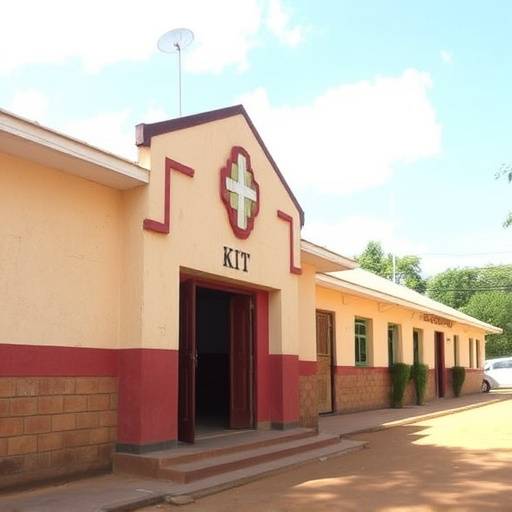
Uganda's education system is undergoing continuous improvement, with a focus on expanding access to quality education for all citizens. The government, in partnership with various NGOs and international organizations, is working to enhance teacher training, improve school infrastructure, and provide educational resources to students across the country. Primary education is largely universal, and efforts are being made to increase enrollment and completion rates at the secondary and tertiary levels.
Notable institutions include Makerere University, Uganda Christian University, and Kyambogo University, which offer a wide range of academic programs. Initiatives such as the Skilling Uganda program aim to equip young people with vocational skills relevant to the job market.
The Ministry of Education and Sports, led by Minister Janet Museveni, oversees the development and implementation of educational policies and programs. The National Curriculum Development Centre (NCDC) plays a crucial role in developing and revising the curriculum to ensure it aligns with national goals and international standards. Many private schools also contribute significantly to the educational landscape, offering diverse educational approaches and catering to different needs.
Healthcare
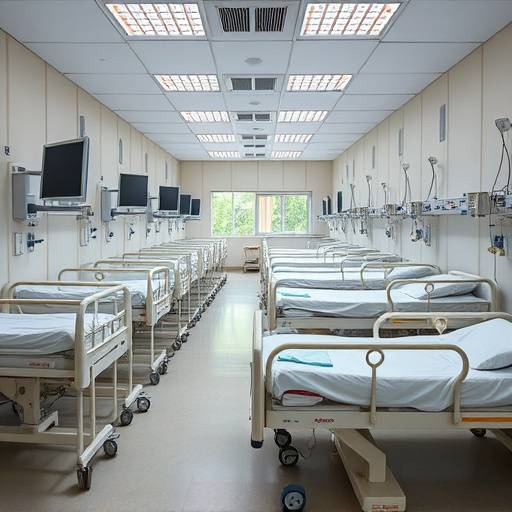
The healthcare system in Uganda is structured around a network of public and private hospitals, health centers, and clinics. While challenges remain, significant strides have been made in improving access to healthcare services, particularly in the areas of maternal and child health, HIV/AIDS prevention and treatment, and disease control. The Ministry of Health, under the guidance of Minister Jane Ruth Aceng, is committed to strengthening the healthcare infrastructure and workforce to ensure that all Ugandans have access to quality and affordable healthcare.
Key initiatives include the rollout of the Uganda National Expanded Programme on Immunization (UNEPI) to protect children against preventable diseases and the establishment of specialized healthcare facilities to address specific health needs. The government is also working to improve the supply chain management of essential medicines and supplies to ensure that they are available when and where they are needed.
Mulago National Referral Hospital, located in Kampala, serves as the primary teaching hospital for Makerere University and provides specialized medical care to patients from across the country. Other notable hospitals include Nsambya Hospital and Mengo Hospital, which offer a wide range of medical services.
Infrastructure

Infrastructure development is a top priority for the Ugandan government, recognizing its critical role in driving economic growth and improving the quality of life for citizens. Significant investments are being made in the construction and rehabilitation of roads, railways, airports, and energy infrastructure. The Uganda National Roads Authority (UNRA) is responsible for overseeing the development and maintenance of the national road network, which plays a vital role in connecting communities and facilitating trade.
The ongoing construction of the Standard Gauge Railway (SGR) aims to modernize the railway system and enhance connectivity with neighboring countries. The expansion of Entebbe International Airport is increasing its capacity to accommodate growing passenger and cargo traffic. Investment in energy infrastructure, including hydroelectric power plants and renewable energy projects, is helping to meet the country's growing energy demand.
Notable infrastructure projects include the Kampala-Entebbe Expressway, which has significantly reduced travel time between the capital city and the airport, and the Karuma Hydropower Project, which is expected to boost the country's electricity generation capacity.
Technology
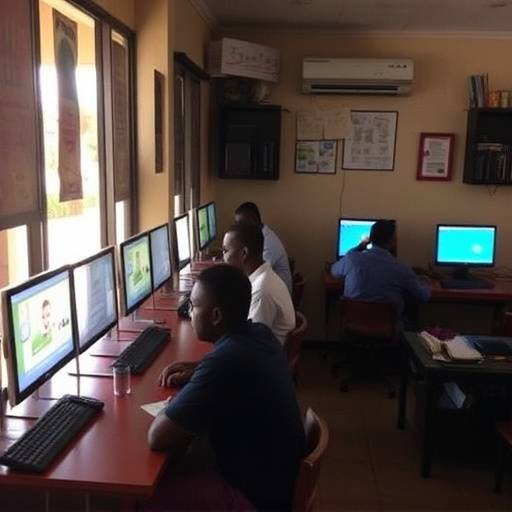
Uganda's technology sector is rapidly evolving, driven by increasing internet penetration, a growing pool of tech-savvy young people, and government initiatives to promote innovation and digital inclusion. The National Information Technology Authority-Uganda (NITA-U) is responsible for coordinating and regulating the development of the ICT sector. The government is promoting the use of technology in various sectors, including agriculture, education, healthcare, and finance, to improve efficiency and productivity.
Mobile money services have revolutionized financial inclusion, enabling millions of Ugandans to access financial services through their mobile phones. The establishment of innovation hubs and tech parks is fostering entrepreneurship and providing support to startups. Initiatives such as the Rural Communications Development Fund are aimed at expanding access to internet and telecommunications services in underserved areas.
Companies like MTN Uganda and Airtel Uganda are leading providers of telecommunications services, playing a key role in expanding connectivity across the country. Local tech startups are developing innovative solutions to address local challenges, ranging from e-commerce platforms to mobile health applications.
Accessibility Statement
Karibu Uganda Safaris is committed to ensuring digital accessibility for everyone. We are continually improving the user experience for all visitors, adhering to accessibility standards. Learn more about our efforts on our Accessibility page.