
About Uganda
A Journey Through Time: Uganda's History
Uganda's history is a captivating narrative of kingdoms, colonialism, independence, and transformation. From the ancient kingdoms that thrived for centuries to the challenges and triumphs of a modern nation, Uganda's past shapes its present and future.
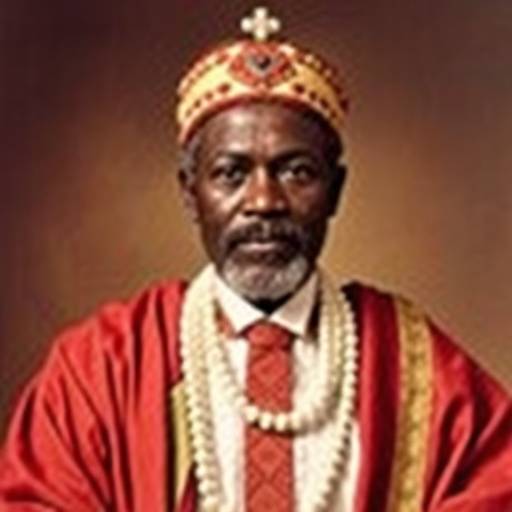
Prior to colonial rule, the region was home to several powerful kingdoms, including Buganda, Bunyoro-Kitara, Ankole, and Toro. These kingdoms, each with their own distinct cultures and political systems, played a significant role in shaping the region's identity. The Kingdom of Buganda, in particular, held considerable influence and continues to be a prominent cultural institution within Uganda.
In the late 19th century, Uganda came under British colonial rule. The British established a protectorate, and the colonial period had a profound impact on the country's political, economic, and social structures. Christianity was introduced, and education systems were established, but the colonial administration also implemented policies that favored certain ethnic groups over others, creating lasting tensions.
Uganda gained independence on October 9, 1962. The early years of independence were marked by political instability, culminating in the rise of Idi Amin in 1971. Amin's rule was characterized by human rights abuses and economic mismanagement, leading to a period of turmoil and decline. He was ousted in 1979, and subsequent governments faced the challenge of rebuilding the nation.
Under the leadership of President Yoweri Museveni, who came to power in 1986, Uganda has experienced a period of relative stability and economic growth. The country has made significant progress in areas such as education, healthcare, and infrastructure development. However, challenges remain, including poverty, corruption, and regional conflicts.
Today, Uganda is a vibrant and dynamic nation, grappling with its past while striving for a brighter future. The legacy of its history continues to shape its political landscape, social dynamics, and cultural identity. Efforts to promote reconciliation, good governance, and sustainable development are essential for ensuring a prosperous and equitable future for all Ugandans.
Key Historical Figures
- Kabaka Muteesa I: The influential king of Buganda who engaged with European explorers and missionaries.
- Apollo Milton Obote: Uganda's first prime minister and later president, whose leadership was marked by both progress and political turmoil.
- Idi Amin Dada: The controversial military dictator whose regime was responsible for widespread human rights abuses.
- Yoweri Kaguta Museveni: The current president of Uganda, who has been in power since 1986 and has overseen a period of relative stability and economic growth.
The Tapestry of Tradition: Uganda's Culture
Uganda's culture is a vibrant and diverse tapestry woven from the traditions, customs, and beliefs of its numerous ethnic groups. From the rhythmic beats of traditional music to the intricate designs of handcrafted art, Ugandan culture reflects the richness and complexity of its people.
Each ethnic group in Uganda boasts its own unique cultural heritage, expressed through language, music, dance, and art. The Baganda, for instance, are known for their elaborate royal ceremonies and their graceful Kiganda dance. The Banyankole are renowned for their long-horned cattle and their traditional milk-drinking rituals. The Karamojong, pastoralists in northeastern Uganda, maintain a strong connection to their ancestral lands and their traditional way of life.
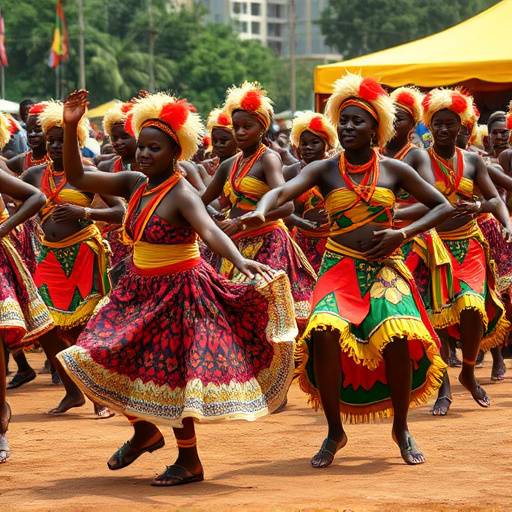
Music and dance play a central role in Ugandan culture. Traditional music is often performed using instruments such as drums, flutes, and harps, and it accompanies ceremonies, celebrations, and storytelling. Dance is an integral part of many cultural events, with each ethnic group having its own distinctive dance styles and movements.
Art and crafts are also important expressions of Ugandan culture. Traditional crafts include weaving, pottery, wood carving, and beadwork. These crafts are often produced using locally sourced materials and are passed down through generations. Ugandan art reflects the country's history, culture, and natural environment.
Traditional cuisine is another key aspect of Ugandan culture. Common dishes include matooke (steamed green bananas), posho (maize flour), and various stews and sauces. Each ethnic group has its own unique culinary traditions, reflecting the availability of local ingredients and the preferences of its people.
Uganda's cultural diversity is a source of pride and a valuable asset. Efforts to preserve and promote Ugandan culture are essential for maintaining its identity and fostering a sense of unity among its diverse population. The Karibu Uganda Safaris actively support initiatives that promote cultural tourism, allowing visitors to experience the richness and authenticity of Ugandan culture firsthand. We partner with local communities to showcase their traditions and crafts, providing sustainable economic opportunities and empowering them to preserve their cultural heritage.
The Heart of Uganda: Its People
The people of Uganda are renowned for their warmth, hospitality, and resilience. Despite facing numerous challenges throughout their history, Ugandans have consistently demonstrated a strong sense of community and a deep-rooted optimism. Their diverse backgrounds, experiences, and perspectives contribute to the richness and dynamism of Ugandan society.
Uganda is home to a diverse population, comprising numerous ethnic groups, each with its own distinct language, culture, and traditions. The largest ethnic groups include the Baganda, Banyankole, Basoga, and Bakiga. However, there are many other smaller ethnic groups, each contributing to the country's cultural mosaic.
Family and community play a central role in Ugandan society. Strong family ties provide a sense of belonging and support, while community involvement is highly valued. Ugandans are known for their willingness to help each other and to work together for the common good.
Education is highly valued in Uganda, and families often make significant sacrifices to ensure that their children have access to schooling. Despite challenges such as limited resources and inadequate infrastructure, Uganda has made significant progress in improving education levels over the past few decades.
Ugandans are also known for their entrepreneurial spirit. Many Ugandans are involved in small-scale businesses and agriculture, contributing to the country's economic development. The informal sector plays a significant role in the Ugandan economy, providing livelihoods for millions of people.
Despite the challenges they face, Ugandans maintain a positive outlook on life. Their resilience, adaptability, and sense of humor have helped them to overcome adversity and to build a better future for themselves and their children. The Karibu Uganda Safaris is committed to supporting the people of Uganda by providing sustainable tourism opportunities that create jobs, generate income, and empower local communities.
"Uganda's open-door policy towards refugees is a testament to its commitment to humanitarian principles and its unwavering belief in the dignity and worth of every human being." - United Nations Africa Renewal Magazine
Building a Brighter Future: Uganda's Economy
Uganda's economy is a dynamic and evolving system, characterized by agriculture, tourism, and emerging industries. Despite facing challenges such as poverty, inequality, and infrastructure deficits, Uganda has made significant strides in recent years, driven by its entrepreneurial spirit, abundant natural resources, and strategic location in East Africa.
Agriculture remains the backbone of the Ugandan economy, employing a large percentage of the population and contributing significantly to the country's GDP. Key agricultural products include coffee, tea, cotton, and bananas. Efforts to modernize the agricultural sector and to promote value addition are crucial for enhancing its productivity and competitiveness.
Tourism is a rapidly growing sector, attracting visitors from around the world to experience Uganda's stunning landscapes, diverse wildlife, and vibrant culture. Uganda is home to numerous national parks and game reserves, including Bwindi Impenetrable National Park, home to the endangered mountain gorillas, and Murchison Falls National Park, renowned for its spectacular waterfalls and abundant wildlife. The Karibu Uganda Safaris plays a vital role in promoting sustainable tourism in Uganda, ensuring that tourism benefits local communities and protects the environment.
Uganda is also endowed with significant mineral resources, including oil, gas, and minerals. The discovery of commercially viable oil reserves has the potential to transform the Ugandan economy, but careful management is essential to ensure that the benefits are shared equitably and that environmental impacts are minimized.
The Ugandan government has implemented a number of policies to promote economic growth and development, including investments in infrastructure, education, and healthcare. Efforts to improve the business environment and to attract foreign investment are also underway. However, challenges remain, including corruption, bureaucracy, and limited access to finance.
Uganda's economic future depends on its ability to address these challenges and to harness its potential. By promoting sustainable development, investing in human capital, and creating a conducive business environment, Uganda can build a brighter future for its people.
| Indicator | Value | Source |
|---|---|---|
| GDP Growth Rate | 5.8% | Bank of Uganda |
| Inflation Rate | 4.2% | Uganda Bureau of Statistics |
| Unemployment Rate | 2.5% | Ministry of Labor |
| Tourism Revenue | $1.8 Billion | Uganda Tourism Board |